Proper use of trailers
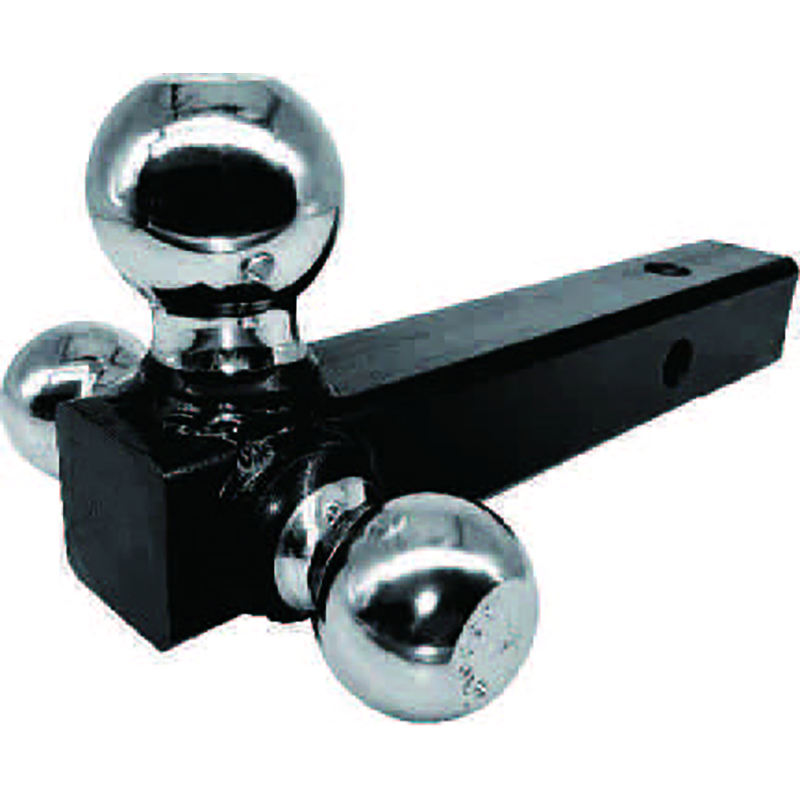
Before each departure, the components should be carefully inspected. For trailers using a traction frame, check the traction hook, traction frame, connecting pins, nuts, lifting rings, buffer springs, locking pins, etc; For trailers using a turntable, it is necessary to check the center bolt of the turntable, as well as the safety chain, hub screws, steel plate springs and bolts, carriage, etc., to see if they are loose, bent, or broken; Check the brake connecting pipes, wires, and other devices, such as protective nets, signal lights, etc., to see if they are complete, if the connections are secure, and if the accompanying tools and items are ready.
2. The loaded goods should be placed evenly and no additional or extended carriages are allowed. Overloading is not allowed. For long-term loading and parking, the carriage should be padded to prevent tire deformation.
3. When starting, the clutch should engage slowly and steadily. When the trailer hook is tightened and the weight of the trailer is felt, the clutch pedal should be released when the tires begin to roll; When shifting gears, strive for stability and agility; When shifting gears, if the trailer collides with the main vehicle, it should be shifted into gear and slid for a certain distance, and then shifted forward as the speed of the front and rear vehicles gradually coincides.
When driving, it is usually not recommended to slide out of gear. When encountering steep slopes or downhill turns, it is absolutely prohibited to coast out of gear. When going downhill, according to the length and gradient of the ramp, select the appropriate low gear in advance, and control the speed with the resistance of the engine. When braking is required, the brake pedal must be slowly pressed to avoid emergency braking and prevent tire wear or tread peeling. The braking time should not be too long to prevent braking heating and reduce braking efficiency.