Mechanical processing
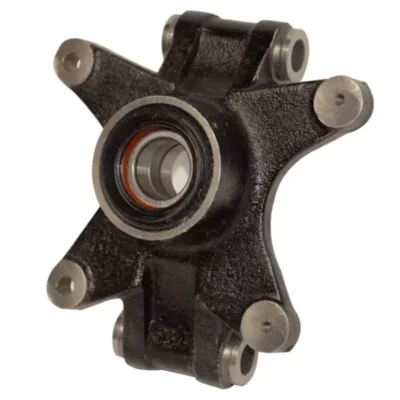
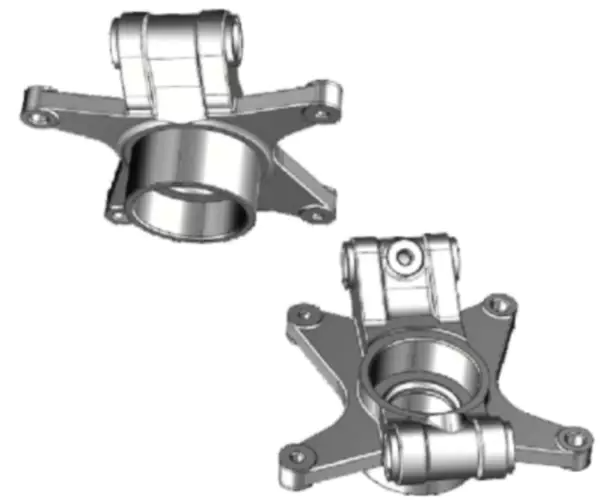
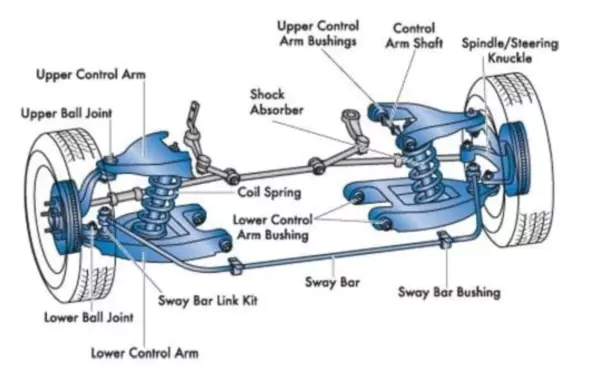
The steering knuckle is one of the common components in the automotive chassis, usually made of cast or forged materials, used to connect the wheels and body, support the weight of the body, and transmit power. The following are some basic steps in the machining process of the steering knuckle:
Material selection and preparation: Firstly, suitable casting or forging materials need to be selected, and heat treatment and cold processing should be carried out as needed. In addition, it is necessary to prepare machine tools and tools for processing and assembly.
Casting: Casting is the method of pouring molten metal into a mold to solidify and harden it. During the casting process, it is necessary to control the chemical composition and pouring temperature to ensure the microstructure and properties of the casting. Castings need to undergo steps such as cleaning, heat treatment, grinding, and polishing before entering the next process.
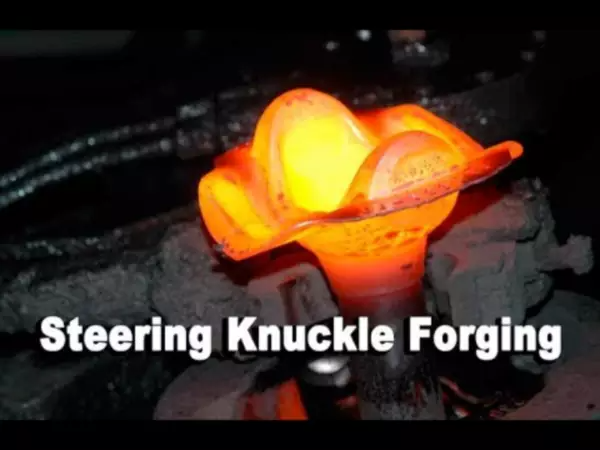
Forging: Forging is the method of forming metal blanks under impact or pressure. Forging requires controlling the chemical composition and heating temperature of the billet to ensure the microstructure and properties of the forging. Forgings need to undergo steps such as cleaning, heat treatment, grinding, and polishing before entering the next process. Steering knuckle forging
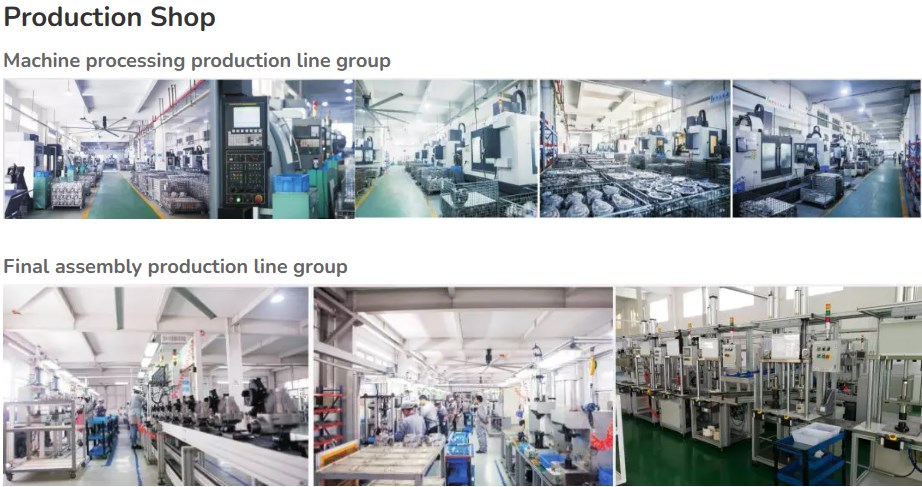
Processing: The steering knuckle usually requires multiple processing steps, including drilling, milling, turning, and grinding. The purpose of these machining steps is to achieve the required size and shape of the steering knuckle, and to eliminate any stress and deformation that may occur during the machining process.
Assembly: Assembly is the process of assembling various components together in the correct order. During the assembly process, it is necessary to ensure that the structure of the steering knuckle is correct, firm, and meets safety standards.
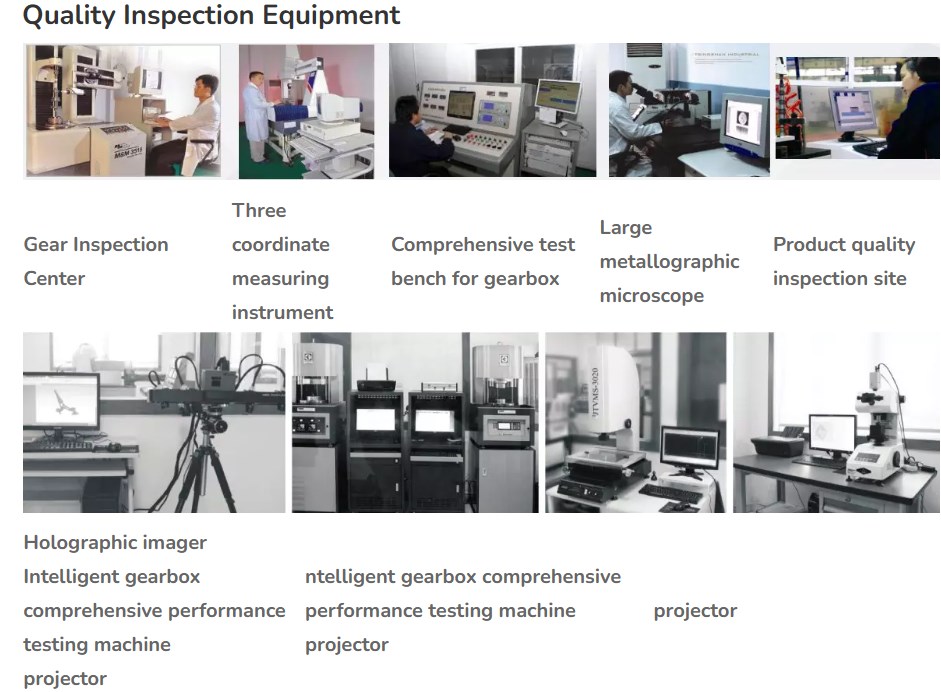
Overall, the processing technology of the steering knuckle requires strict control of chemical composition, temperature, and processing technology to ensure that the structure and performance of the steering knuckle meet the requirements. At the same time, high-precision machine tools and tools, as well as strict quality control and testing processes, are required to ensure the quality and performance of the final product.