Process flow of quick coupling device
The production process of the quick-hitch device includes several steps, which may vary slightly depending on the manufacturer and the type of quick-hitch produced. The following is a general overview:
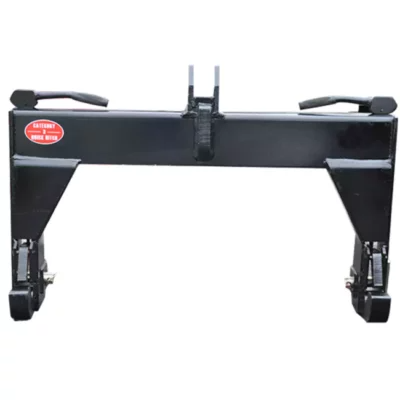
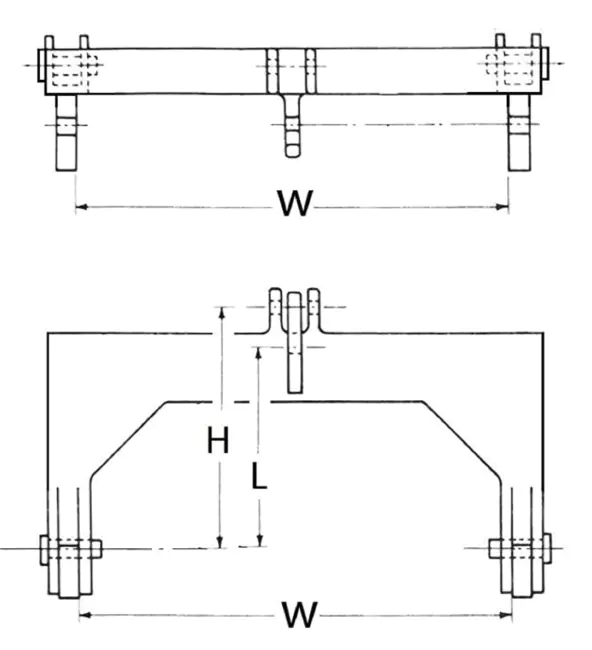
Three-point tractor quick hitch CAT 3 (category 3)
Design and engineering: The first step involves the design and engineering of the quick coupling device to meet the required specifications, such as weight, size, compatibility with different equipment and safety characteristics.
Material selection: once the design is completed, the manufacturer will select the best material for the quick coupling device according to the specific application, including steel, aluminum or other materials.
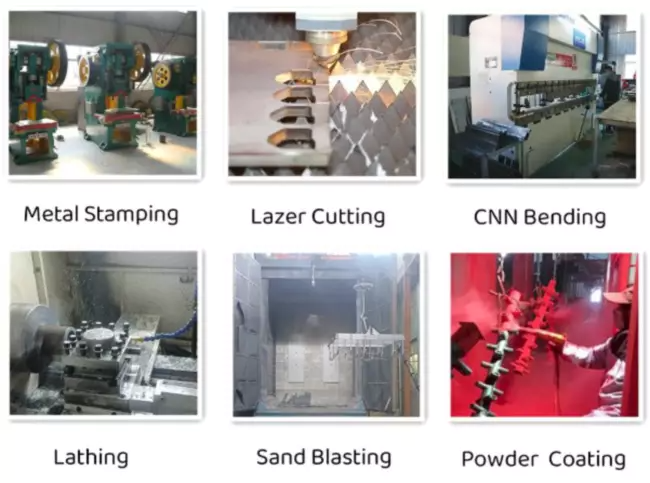
Cutting and drilling: cut and drill selected materials according to design specifications to create different components of quick hitch, such as hitch arm, locking mechanism and other parts.
Welding and manufacturing: Then use special equipment such as robot welding machine and CNC machine tool to weld and manufacture parts together to ensure accuracy and quality.
Surface treatment: The quick-hitch device may undergo various surface treatments, such as sand blasting, powder coating or painting, to enhance its durability and appearance.
Assembly: Assemble different parts together to form the final product, which may require additional adjustment and testing to ensure correct assembly and operation.
Testing and quality control: The quick coupling device has been strictly tested to ensure that it meets the required safety standards and functional requirements. This includes load test and function test to verify its operation and safety characteristics.
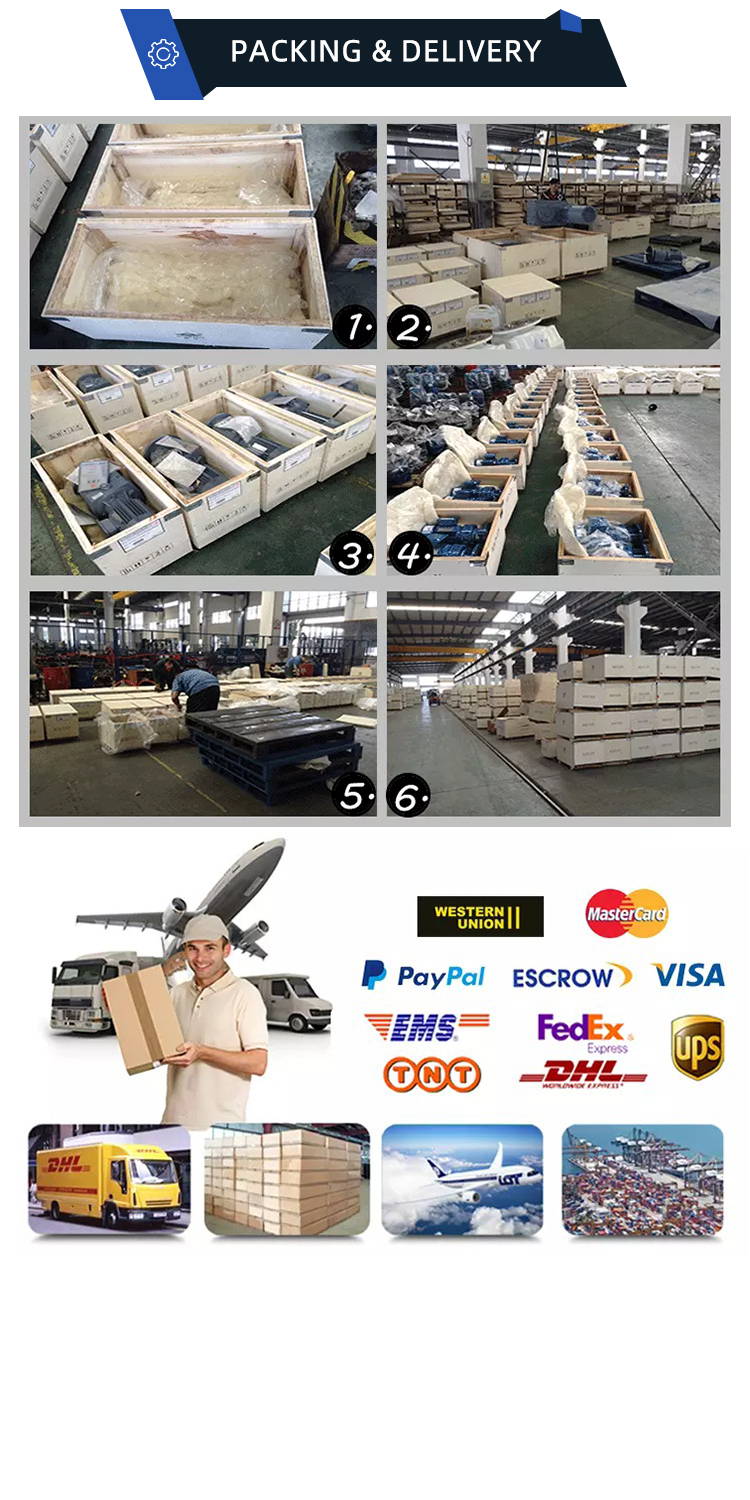
Packaging and transportation: The final step is to package the quick-connect device and transport it to the customer or distributor.
In short, the production process of the quick connector requires precision engineering, advanced materials, skilled labor and professional equipment to ensure the quality, safety and reliability of the final product.