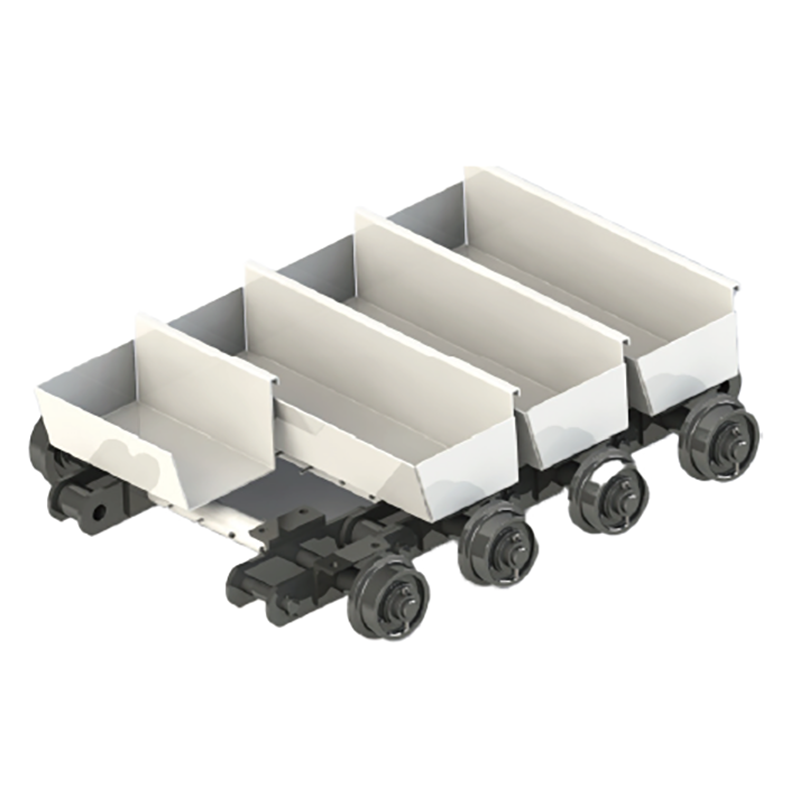
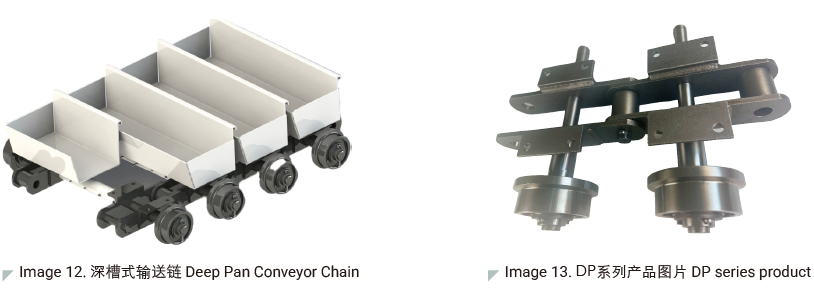
Primary Feeders: This is one of their most common applications. These conveyors are typically installed just below or in the discharge hopper of a primary crusher to receive large volumes of unclassified run of ore (ROM). They then feed the material into the processing circuit at a controlled and constant rate, protecting downstream equipment from impact.
Crusher Discharge Conveyor: Transports material out of the primary or secondary crusher. At this stage, the material is often still highly abrasive, can be hot, and consists of sharp, irregular pieces, which deep dish conveyors can effectively handle without excessive wear or damage to the conveyor itself.
Hot Material Handling: In mineral processing facilities involving high-temperature processes, such as smelters, refineries, or cement plants, deep dish conveyors are essential for transporting hot materials such as clinker (from cement kilns), slag, or other calcined hot ores. These materials can quickly damage traditional rubber conveyor belts.
Underground Mining: While belt conveyors are often used for long-distance transport, heavy-duty disc conveyors can also be found in specific areas of underground mines to transfer material from excavators, continuous miners or crushers in harsh, narrow or high-wear areas.
Stockpile Recovery: Used as recovery feeders under large ore, coal or aggregate stockpiles to extract material in a controlled and reliable manner and feed it to other conveyors for further processing or transportation.
Waste and Overburden Conveying: Transporting large amounts of waste rock or overburden from excavation sites to dumping areas, especially if the material is coarse and abrasive.
Steel Mills: Transporting bulk raw materials such as iron ore, coke and limestone during the steelmaking process often requires ruggedness and high temperature resistance.