Introduction
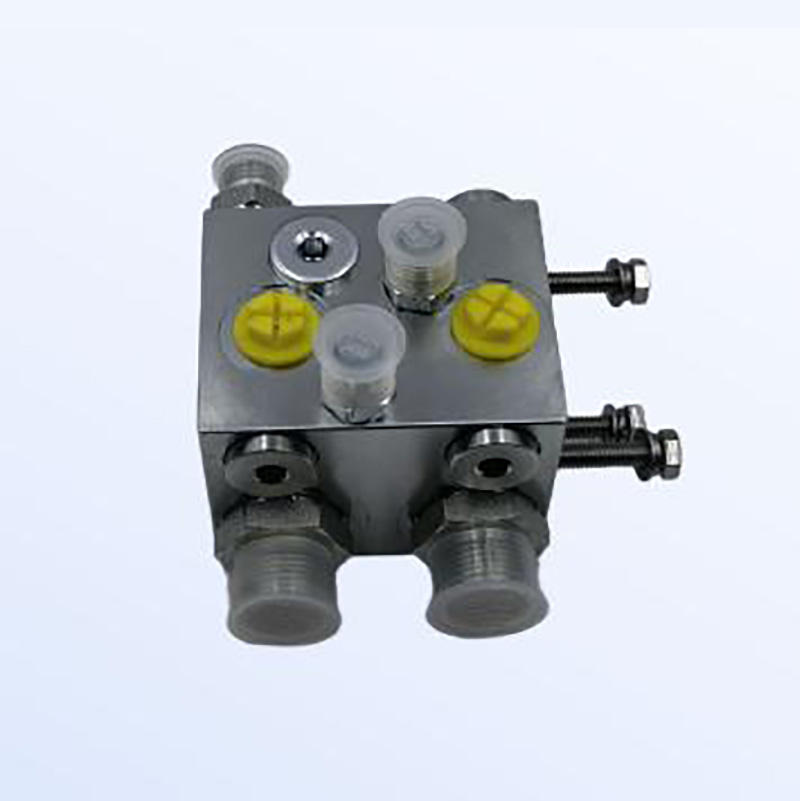
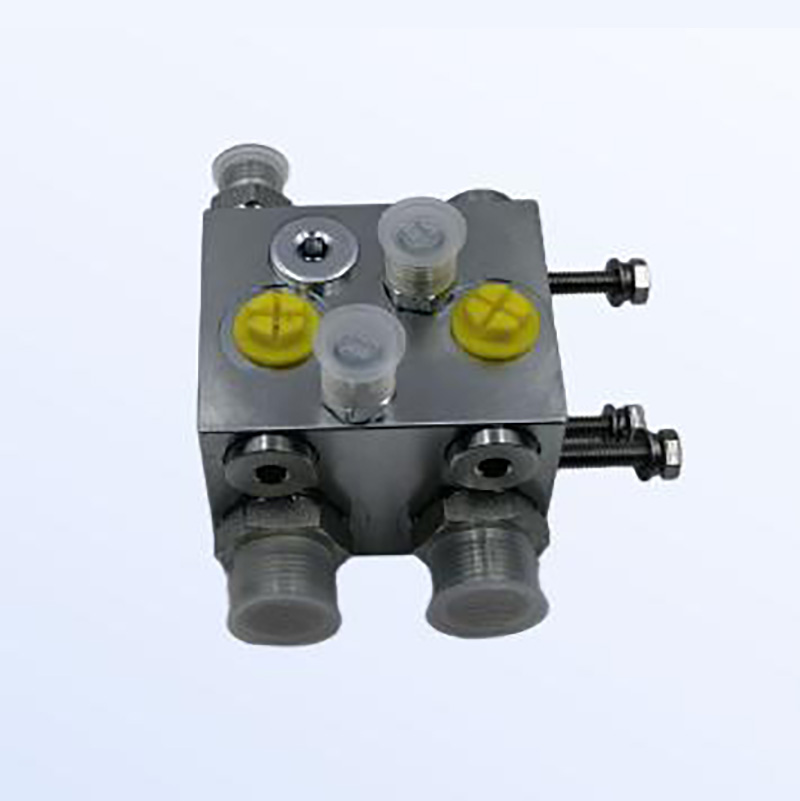
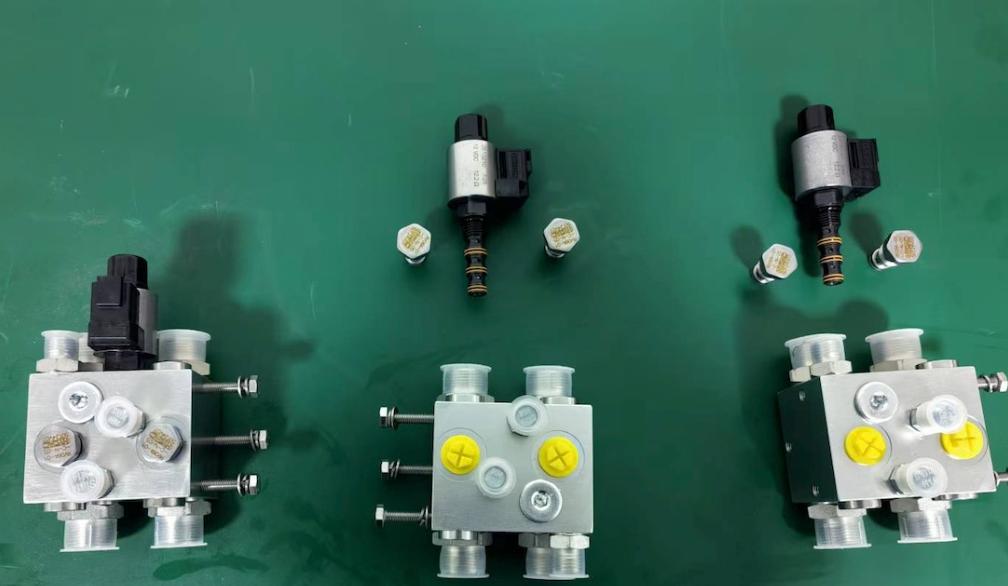
Differential Lock Solenoid Valve is a key component installed in the vehicle's differential lock system. It controls the valve core movement through electromagnetic force to achieve the locking and unlocking of the differential lock, thereby adjusting the power distribution between the left and right wheels of the vehicle and improving the vehicle's passability under complex road conditions.
Product introduction
- Dealing with complex road conditions: When a forklift is driving on muddy, snowy, sandy and other complex roads, one side of the wheel may slip and spin due to insufficient adhesion. At this time, after the Differential Lock Solenoid Valve receives the control signal, it will open the differential lock, connect the left and right half-axles into one, so that the wheels on both sides can obtain the same torque, thereby transmitting power to the wheels with adhesion, helping the forklift to pass through difficult sections smoothly.
- Protect the transmission system: During normal driving, the differential allows the left and right wheels to rotate at different speeds to adapt to vehicle turning and other situations. However, when one side of the wheel slips, the unlocked differential will transfer most of the power to the slipping wheel, causing the wheel to rotate too high, which may cause excessive wear or even damage to the transmission system. The Differential Lock Solenoid Valve controls the operation of the differential lock to avoid this situation and protect the forklift's transmission system.
- Improve work efficiency: In some working conditions, such as when the forklift needs to quickly pass through soft ground to reach the work site at a construction site, or when driving on rough roads in a mine, the Differential Lock Solenoid Valve allows the forklift to respond to changes in road conditions in a timely manner, quickly lock or release the differential lock, reduce the time the vehicle is delayed due to wheel slippage, and improve the work efficiency of the forklift