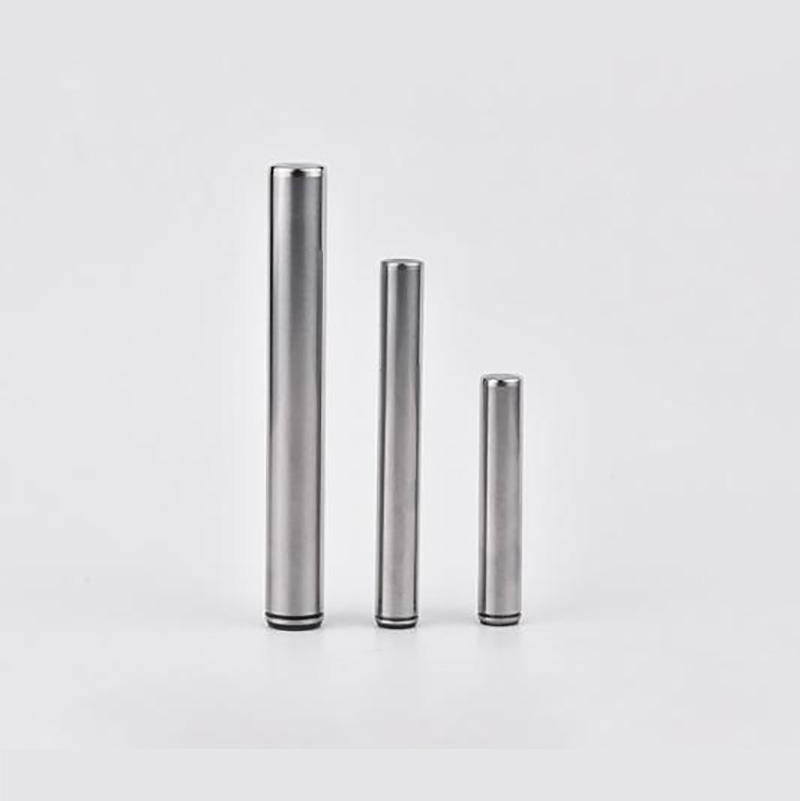
Advantages of automotive shafts
Efficient power transmission: Driveshafts are able to efficiently transmit the rotational motion and torque of the engine and transmission to the wheels or other drive components. This ensures that the power generated is effectively utilized and energy losses in the drivetrain are minimized.
Structural integrity and load-bearing capacity: Many automotive driveshafts, such as half shafts and propeller shafts, are not only used to transmit power, but also to withstand huge weights and forces. For example, half shafts support the weight of the vehicle and transmit forces from the road through the suspension.
Accommodating misalignment and movement: Given that the various automotive components (engine, transmission, differential, wheels) are not always perfectly rigidly aligned or move relative to each other (for example, due to suspension travel), driveshafts are often designed with universal joints (U-joints) or constant velocity joints (CV). These joints enable the shaft to run smoothly and transmit power even at different angles, reducing stress and wear on the connected components.
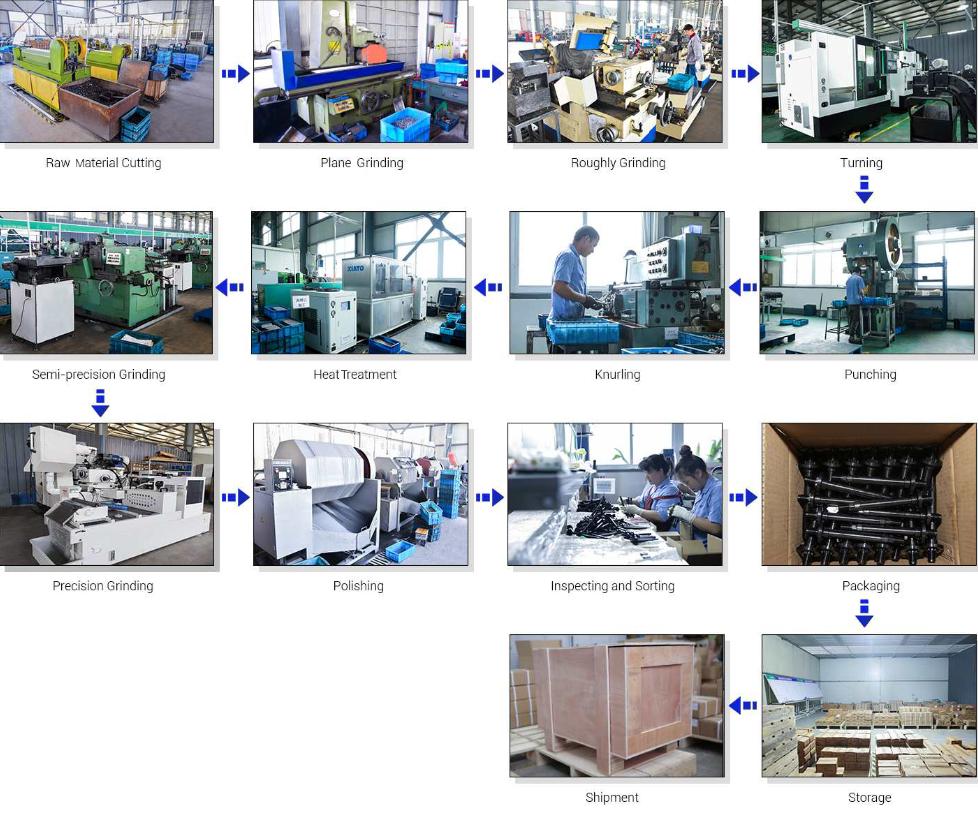
Durability and high strength: Automotive axles are made of strong materials such as high-strength steel or aluminum alloys and are usually heat-treated to increase their durability. This enables them to withstand high torque loads, rotational forces, continuous operation, and the dynamic stresses of driving on a variety of terrains.
Precision and smooth operation: Precision-machined and balanced shafts, especially driveshafts, are essential to minimize vibration and ensure a smooth, quiet ride. This precision also helps improve vehicle stability and reduces wear on related components such as bearings.
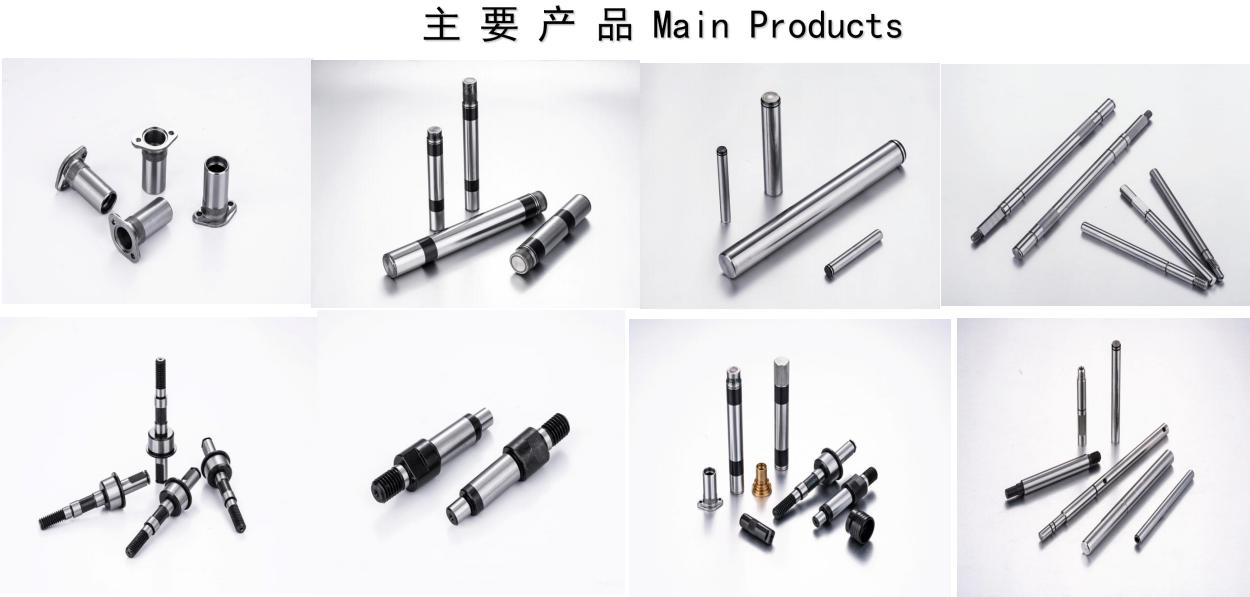
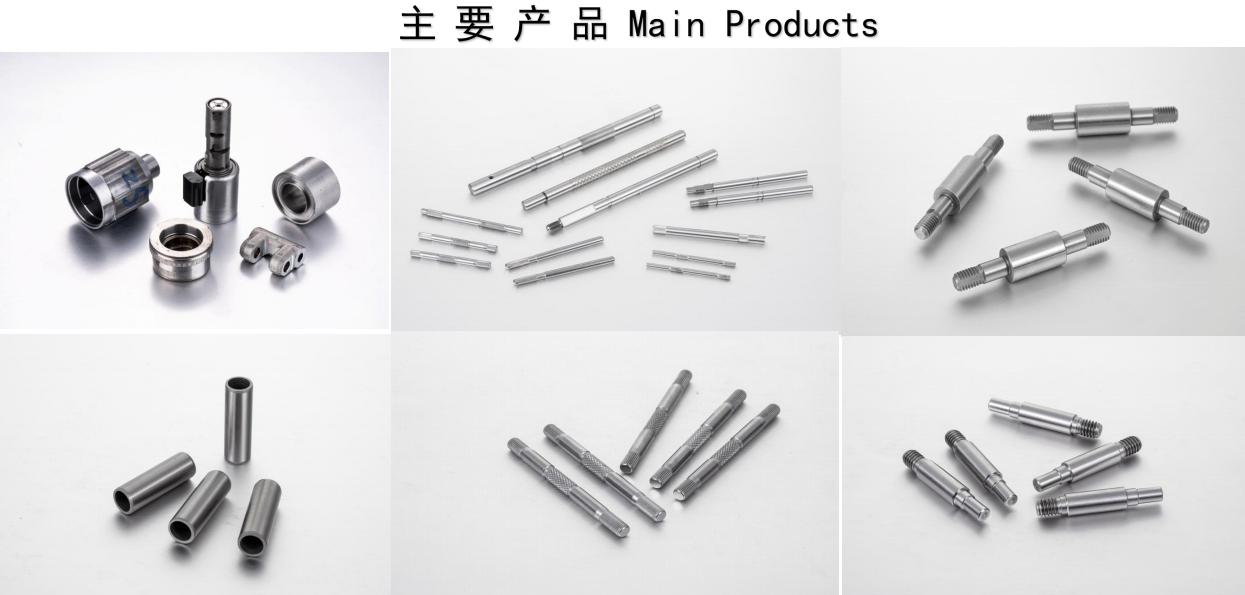
Design flexibility: Automotive axles come in a variety of styles (solid, hollow, splined, one-piece, two-piece, telescopic) to accommodate different vehicle types and driveline layouts, and to optimize performance for specific applications (e.g., shorter shafts for front-wheel drive, longer multi-piece shafts for rear-wheel drive/all-wheel drive trucks).
Safety: A properly designed and maintained driveshaft helps ensure reliable power transmission and prevents catastrophic failures during operation, thereby improving vehicle safety. Some designs, such as slip-on driveshafts, even have the ability to absorb energy in a crash.