What are the symptoms related to brake drum damage?
Soft or weak brakes: If your car cannot feel a quick stop or reacts incorrectly when pressing the brake pedal, you may need to replace the brake shoes and drums.
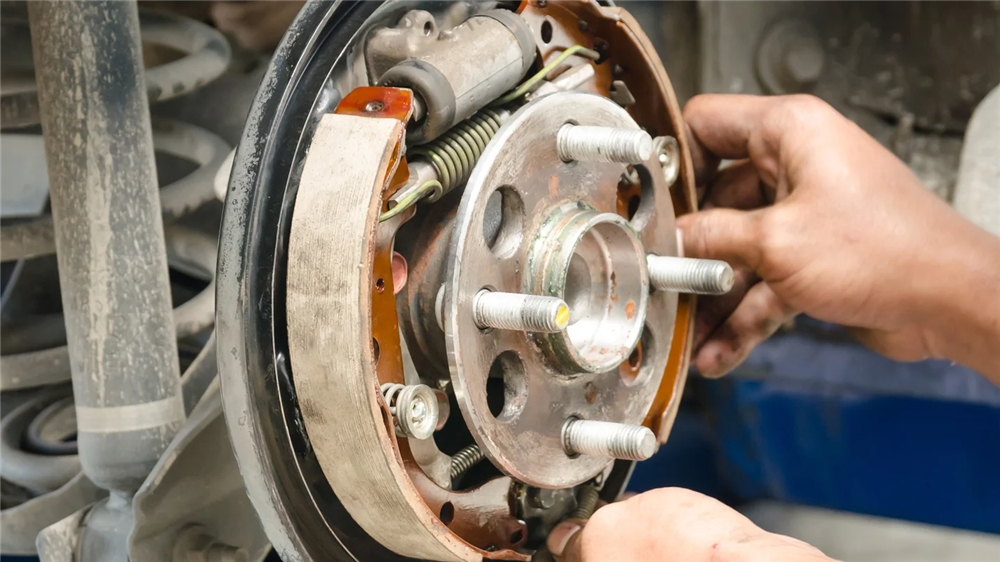
Squeaking, friction, or grinding noise: As the brake shoes wear, they will begin to rub against the brake drum. Grinding will produce a sound that you are sure to hear. If you start making any noise while braking, we recommend that you replace the brake as soon as possible to avoid further damage to the brake drum or rotor.
Brake pedal vibration: Just like a brake disc, the brake drum will naturally wear over time. Whenever they wear out, you will begin to feel the brake pedal vibrate or vibrate. If people do not hear other noises, they usually do not pay too much attention to vibrating pedals. However, if you encounter this situation, we strongly recommend that you check the brakes to ensure safety and minimize repair costs.
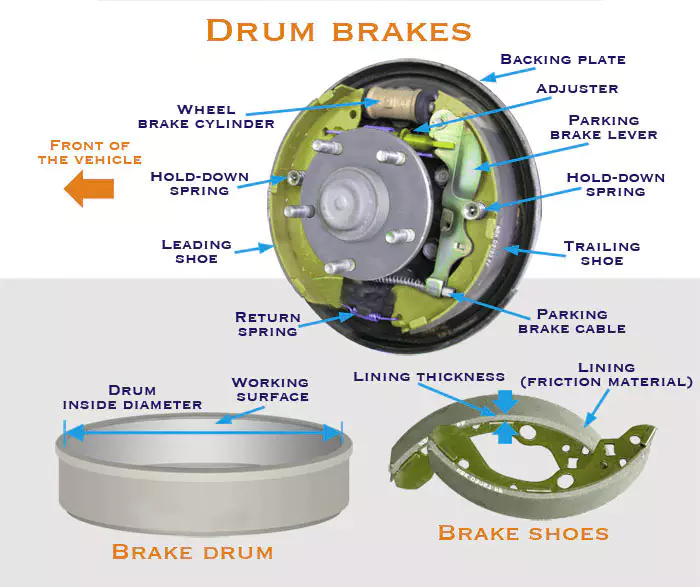
Weak or loose parking brake: The parking brake on a vehicle usually depends on the firm compression between the brake shoes and brake drums to ensure safe parking, especially when parking on a slope. Whenever there is a problem with your brake drum and/or brake shoes, and whenever you try to apply the parking brake, the parking brake will feel loose. You may also find that whenever you apply the parking brake, the vehicle feels like it is slipping.