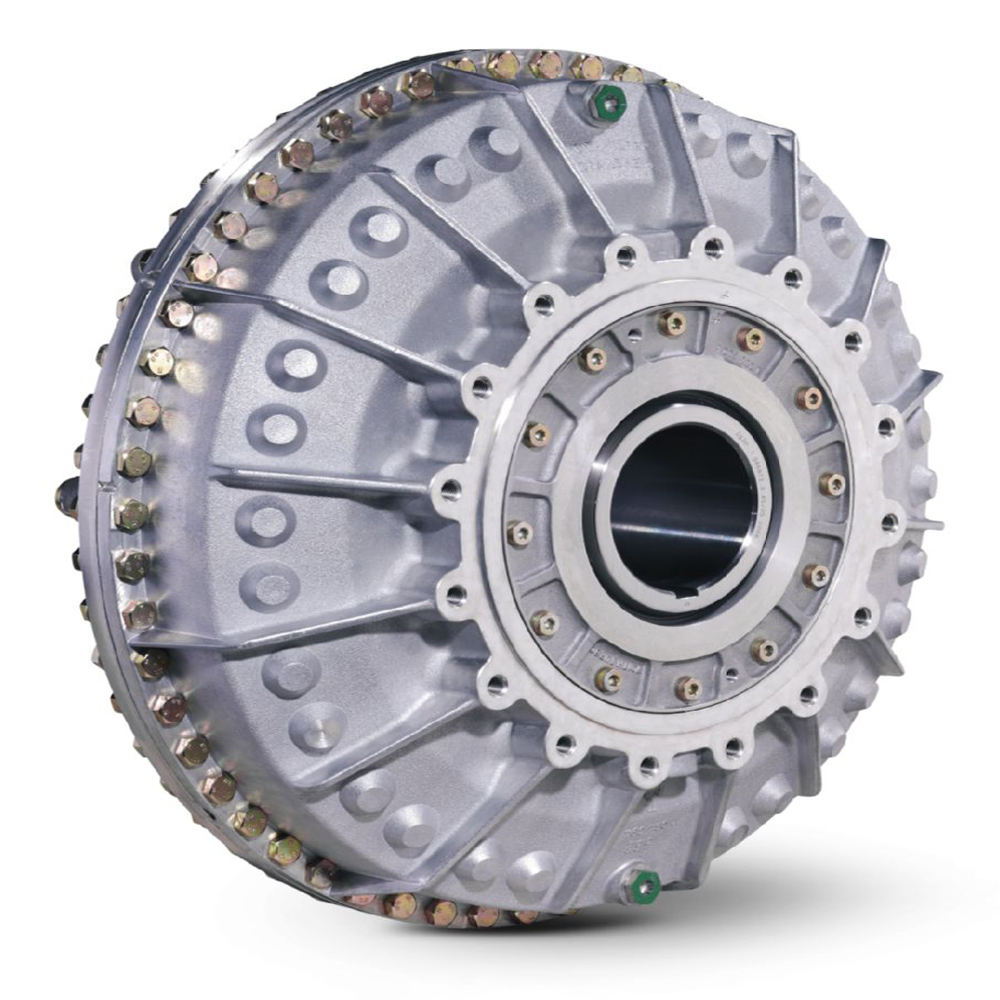
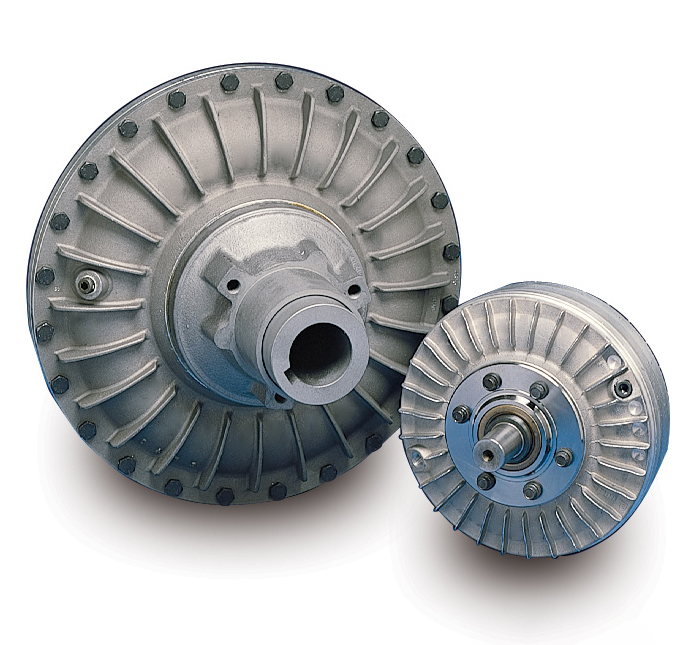
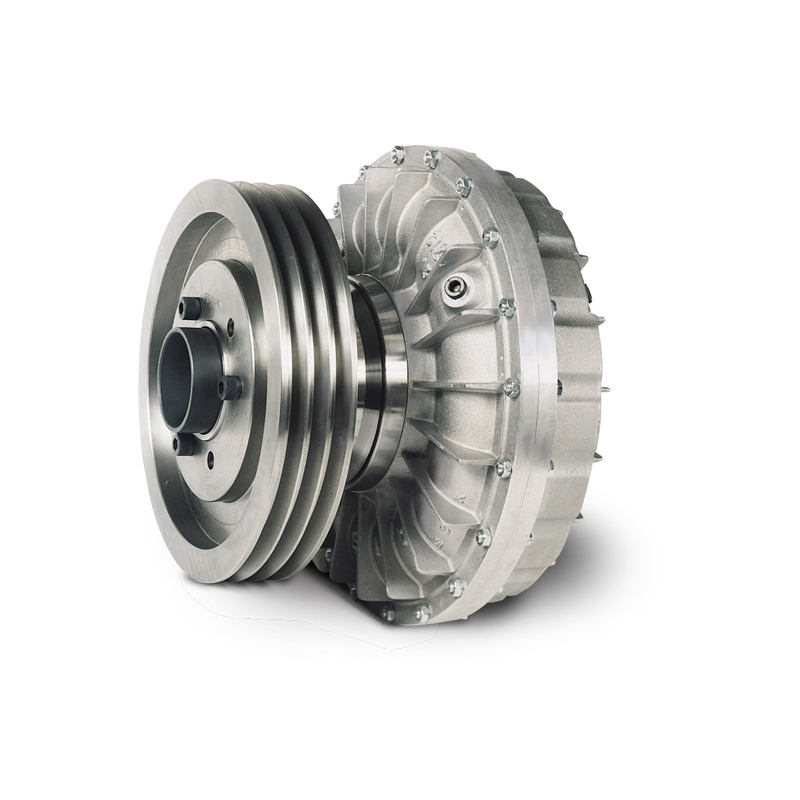
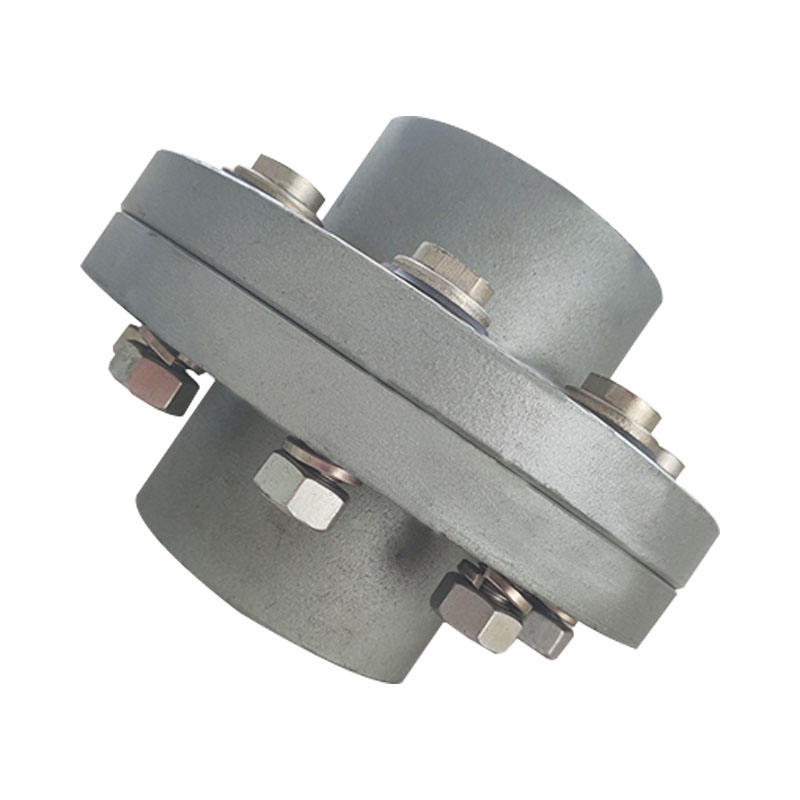
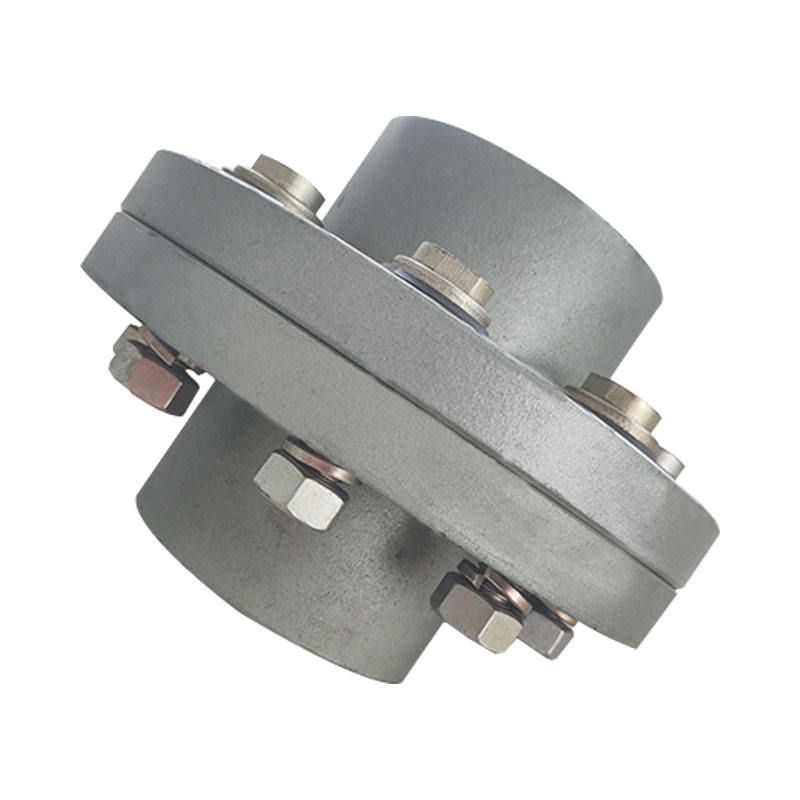
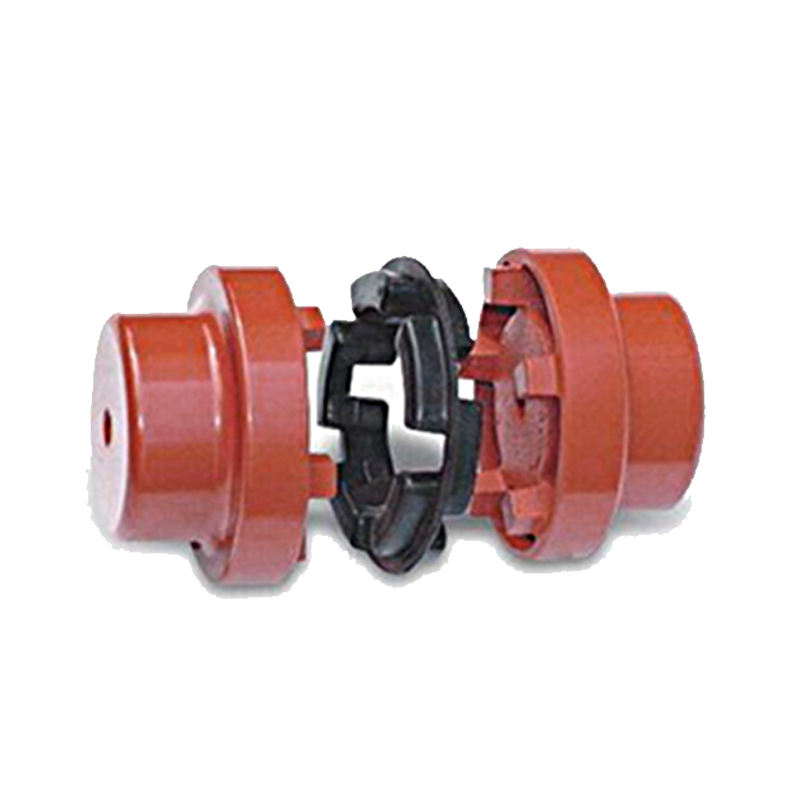
A fluid or hydraulic coupling is a hydrodynamic or 'hydrokinetic' device used to transmit rotating mechanical power. It has been used in automobile transmissions as an alternative to an automatic clutch.
There are two types of fluid couplings; Constant Filling, where the oil filling is fixed, and variable filling, also known as variable speed, where the quantity of oil in the working circuit can be varied while running to give control over the amount of slip between the impeller and runner and so give speed regulation. The variable filling fluid coupling also provides a means of declutching a machine from its drive. It is used extensively in conveyor drives to accurately control the torque applied during acceleration and give easy load balancing using external controls.
Advantages of Fluid Coupling:
(1)Very low vibration and noise level.
(2)Scoop tube position can be governed quickly for speed control.
(3)Easy operation of scoop tube in auto or manual mode.
(4)Labyrinth Seals on the shaft ensure no leakage from post ends.
(5)Smooth & controlled acceleration of heavy masses from stationary to running condition, which improves the service life of the motor.
(6)High control accuracy and fast reaction times.
Fluid Coupling Application:
(1)Material Handling: Belt Conveyors, Crushers.
(2)Thermal Power Plant: Belt Conveyors, Crushers.
(3)Chemical Industry: Fans, Pumps, Mixers.
(4)Oil & Gas Industry: Compressors, Pumps.
(5)Metallurgical Industry: Blowers, Pump.