Applications
Mining:
Purpose: Used in belt conveyors to transport bulk materials such as coal, iron ore, copper ore and aggregates from the extraction site to the processing plant or stockpile.
Importance: Critical in long-distance and high-capacity conveyors (e.g. overland systems up to 100 km long) where misalignment can lead to significant downtime. Self-aligning idlers ensure continuous operation in harsh, dusty conditions.
Example: Correcting belt misalignment in coal mine conveyors.
Quarrying and Aggregates:
Purpose: Provides support for conveyors transporting gravel, sand or crushed stone in quarrying operations, ensuring stable belt tracking.
Importance: Prevents abrasive materials from damaging the belt and reduces maintenance work in high-impact loading areas.
Example: Used in aggregate plants to adjust belts feeding crushers or screens.
Power Generation:
Purpose: Maintains a reliable fuel supply by conveying coal or biomass to the boilers of power plants.
Importance: Ensures a steady material flow, which is critical for uninterrupted power generation, especially in coal-fired power plants.
Example: Aligning belts in coal yard conveyors to prevent spillage.
Cement Production:
Purpose: Conveying raw materials such as limestone, clay or cement clinker within a processing plant.
Implications: Reducing downtime in abrasive environments to support high-volume cement production.
Example: Correcting belt misalignment in cement kiln conveyors.
Ports and Terminals:
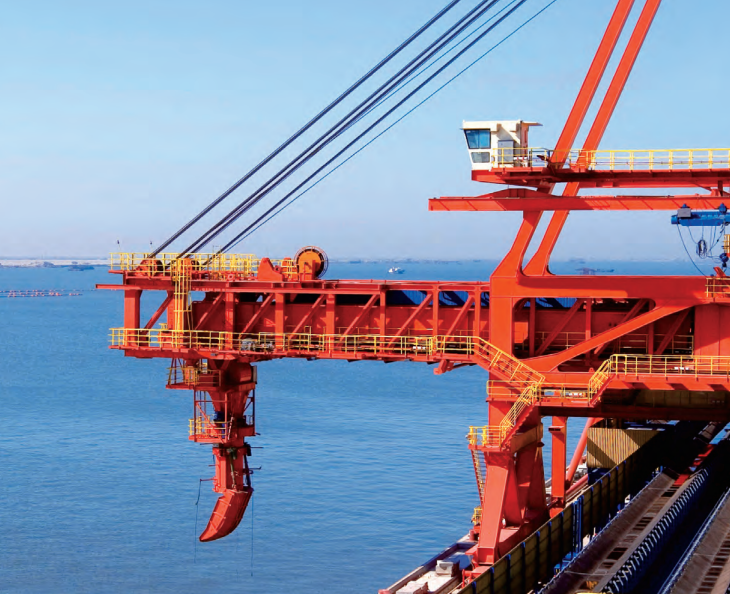
Purpose: Handling bulk cargoes such as grain, ore or coal during port loading and unloading.
Implications: Improving efficiency and reducing cargo losses by preventing belt drift in high-speed port conveyors.
Example: Ship loading conveyors for iron ore export terminals.
Agriculture:
Purpose: Transporting grain or fertilizers in storage or processing plants.
Implications: Minimizing material waste and ensuring gentle handling to maintain product quality.
Example: Belt straightening in grain elevator conveyors.
Chemical Industry:
Purpose: Conveying chemical powders or granules often requires corrosion-resistant rollers.
Implications: Ensuring safe, dust-free transport in hazardous environments.
Example: Processing of fertilizer components in a chemical plant.