Key Features
Mobility:
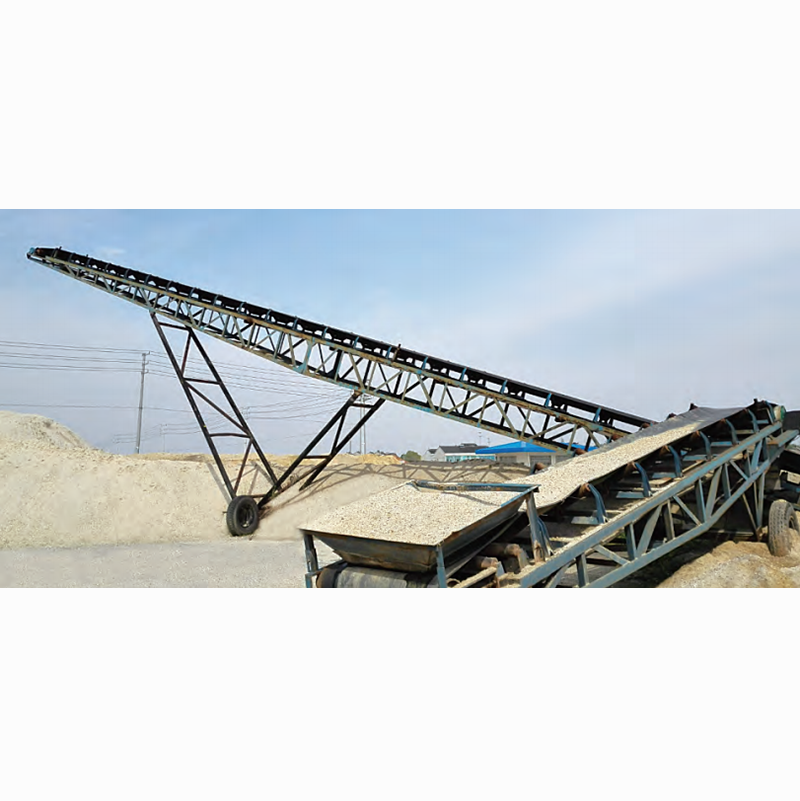
Equipped with wheels, pneumatic tires or tracks, it is easy to move around the construction site.
Can be quickly installed and relocated, reducing downtime in dynamic operations.
Adjustable design:
The height can be adjusted by hydraulic or manual system to match silos, trucks or other equipment.
Telescopic models can be extended and retracted to flexibly adapt to different distances.
Tilt angles up to 45° can lift materials to higher positions.
Variable speed control:
Two-speed settings (fast/slow) or variable speed motors can adapt to different material types and throughput needs.
Increase efficiency for bulk or packaged goods.
Lightweight and durable construction:
Frames are usually made of aluminum, which is easy to carry and corrosion-resistant.
Belts are made of rubber, PVC or fabric with wear-resistant coatings for durability in harsh environments.
High load capacity:
Handles up to 322 tons of weight or 150-200 kg of payload per day.
Suitable for light and heavy materials.
Safety features:
Pop-up rollers or photoelectric eye sensors prevent crushing hazards and enable zero pressure accumulation.
Emergency stops, belt scrapers and guards ensure operator safety.
Hoppers minimize material leakage at the loading point.
Modularity and customizability:
The modular design allows tandem operation for longer uptime.
Accessories such as guide troughs, baffles or trolley feeders enhance functionality.
Energy saving:
The low friction design with roller-supported belts reduces energy consumption.
Electric systems optimize energy use compared to manual operation.